



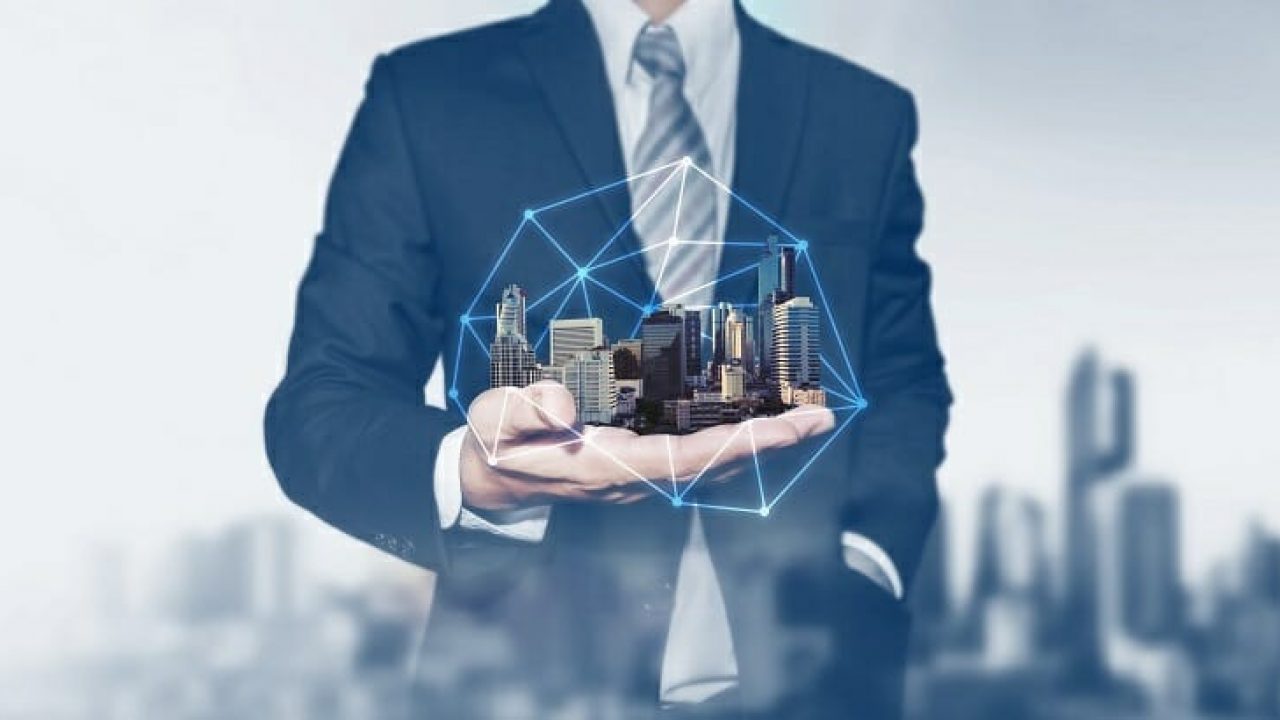
Apartment Building Operations Management involves managing and overseeing all activities within an apartment building, with the goal of providing residents with a safe and optimal living environment while maximizing the value of the real estate property.
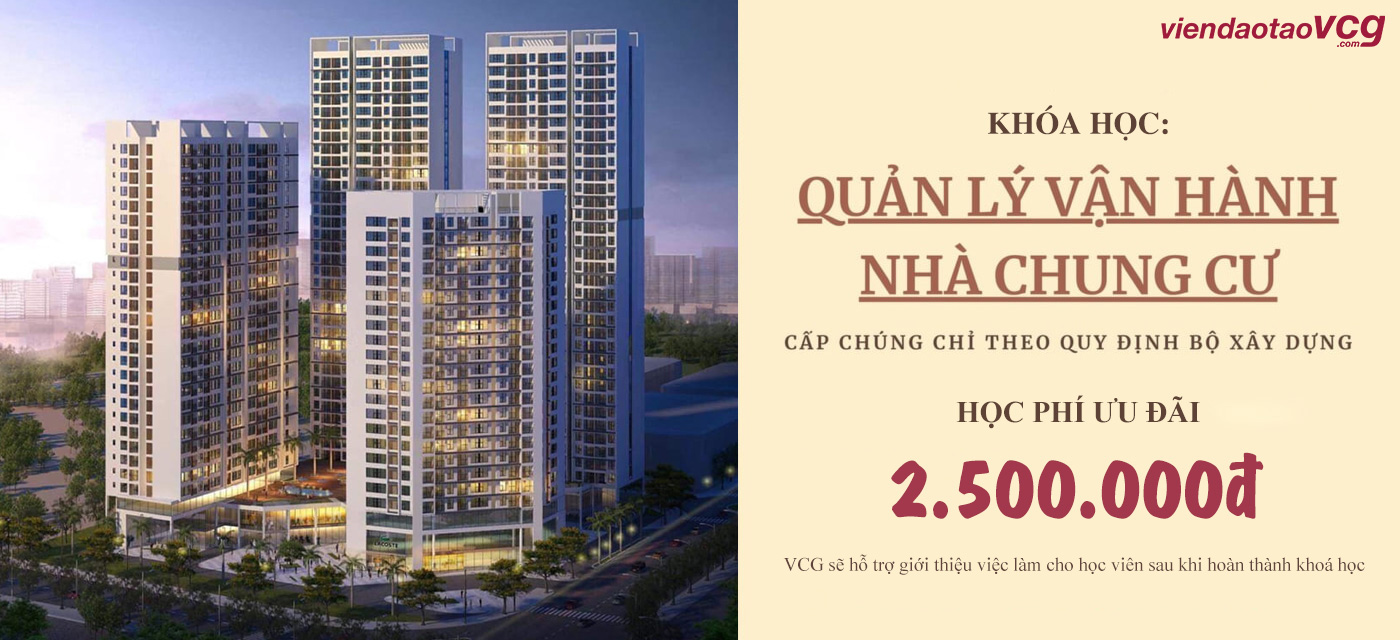
Pursuant to Circular No. 05/2024/TT-BXD dated July 31, 2024, issuing the regulations on the management and use of apartment buildings.
Pursuant to Circular No. 02/2016/TT-BXD dated February 15, 2016, issuing the regulations on the management and use of apartment buildings.
Pursuant to Circular No. 10/2015/TT-BXD dated December 30, 2015, regulating the training and professional development of knowledge and skills in apartment building operations management.
These regulations aim to ensure the highest level of safety for residents and compliance with current legal requirements.
Whether an apartment building operates effectively or not depends largely on your level of understanding.
How can you ensure the best possible safety for residents in the building where you live?
Do you want to enhance your knowledge in maintaining and repairing building equipment?
A thorough understanding of operational procedures and legal regulations by the Management Board is critically important to ensure safety for residents. The most effective way to gain this expertise is by enrolling in a professional apartment building operations management course.
Why should you choose this course?
Managing M&E systems and technical operations of buildings, apartment complexes, and mixed-use commercial properties is a field that requires a high level of professionalism.
In many offices and organizations, the management of apartment building systems and utility services is often handled by the Administration Department, where staff are usually assigned concurrently or lack formal professional training in this field.
The Apartment Building Operations Management Board is not only responsible for inspecting, repairing defects, malfunctions, and incidents as requested by residents, but also for operating and managing critical technical systems, including:
-
Central electrical systems and HVAC (heating, ventilation, and air conditioning) systems
-
Domestic water supply and drainage systems
-
Wastewater treatment systems
-
Fire prevention and firefighting systems
-
Backup power generator systems
-
Communication and information systems
-
Security control systems, surveillance cameras, anti-theft systems, and lightning protection systems